Shellfish and fish allergy in Japan: labels, dashi and shared fryers
Key points
- Shrimp (えび) and crab (かに) are mandatory allergens on Japanese packaged food. Squid, abalone, salmon roe, salmon and mackerel are only recommended.
- Bonito (かつお), the base of most Japanese dashi, is not on either allergen list. For example, Ninben's tempura tsuyu contains bonito flakes but lists only wheat, mackerel and soy as allergens.
- The shrimp allergen does not cover mantis shrimp (しゃこ) or krill (おきあみ). Octopus, clams and most fish are not on the lists at all.
- Shrimp and crab can hide in processed food. For example, Kibun's imitation crab lists both.
- Frying oil and batter are often shared. Tenya says it does not separate frying oil, and its batter may pick up shrimp and squid.
On Japanese packaged food, shrimp and crab are mandatory allergens, while squid, abalone, salmon roe, salmon and mackerel are only recommended. Bonito (かつお), the fish behind most Japanese dashi stock, is not on either list, and neither are octopus, clams or most other fish. So a label can contain fish without flagging it, and dashi turns up in soups, sauces and simmered dishes everywhere. In restaurants, frying oil and batter are often shared with shrimp.
Which seafood must be on a Japanese label?
| English | On the label | Status |
|---|---|---|
| Shrimp / prawn | えび | Mandatory |
| Crab | かに | Mandatory |
| Squid | いか | Recommended only |
| Abalone | あわび | Recommended only |
| Salmon roe | いくら | Recommended only |
| Salmon | さけ | Recommended only |
| Mackerel | さば | Recommended only |
Source: Yamanashi Prefecture (checked on 26 October 2026)
Bonito (かつお), tuna, octopus (たこ), clams, oysters, scallops, sea urchin and most fish are not on either list. If you are allergic to them, read the full ingredients list (原材料名) and ask.
What do these allergens cover?
The government handbook explains the scope of each item and gives other ways it can be written:
| Allergen | What it covers | Other ways it is written |
|---|---|---|
| えび (shrimp) | Decapod crustaceans, including spiny lobster, slipper lobster and crayfish (lobster). Not mantis shrimp (しゃこ), mysids (あみ) or krill (おきあみ). | 海老, エビ; えび天ぷら, サクラエビ |
| かに (crab) | Crabs, including king crab and snow crab | 蟹, カニ; 上海がに, マツバガニ, カニシューマイ |
| いか (squid) | All squid | イカ; いかフライ, イカ墨 |
| いくら (salmon roe) | いくら and すじこ (roe still in the sac) | イクラ, すじこ, スジコ |
| さけ (salmon) | Salmon and trout of the genera Oncorhynchus and Salmo, except landlocked forms | 鮭, サケ, サーモン, しゃけ, シャケ |
| さば (mackerel) | Mackerel | 鯖, サバ; さば節, さば寿司 |
| あわび (abalone) | Abalone | アワビ; 煮あわび |
Source: Consumer Affairs Agency, allergy labelling handbook (checked on 26 October 2026)
Two details from the handbook:
- Trout: ます (trout) on its own is not accepted as a way of writing salmon. Fish such as ますのすけ (king salmon) and さくらます (cherry salmon) should be labelled with (さけを含む) (contains salmon).
- Mixed catch: when seafood caught in a net without sorting is used as it is — for example in fish sauce — the label can say 魚醤(魚介類) instead of naming each allergen.
Is bonito (dashi) on the allergen list?
No. Neither the mandatory list nor the recommended list includes bonito (かつお). Here is what that looks like on a real label:
| Product | Fish in the ingredients | Allergens the maker lists |
|---|---|---|
| Ninben Gold Tsuyu for tempura (ゴールドつゆ 天ぷら) | かつおぶし (bonito flakes), さばぶし (mackerel flakes) | 小麦・さば・大豆 (wheat, mackerel, soy) |

Source: Ninben product page (checked on 26 October 2026)
The mackerel is flagged, the bonito is not. Restaurant charts follow the same lists. For example, Sushiro’s chart has columns for salmon and mackerel but none for bonito, even though it sells bonito sushi.

Source: Akindo Sushiro allergen chart, updated 7 October 2026 (checked on 26 October 2026)
Dashi is used in miso soup, noodle soups and dipping sauces, simmered dishes, tamagoyaki and many sauces. Fish can also appear as 魚介エキス (seafood extract) — for example, in Kameda’s kaki no tane rice crackers.
Where else do shrimp and crab hide?
| Food | In Japanese | Why it may contain shellfish |
|---|---|---|
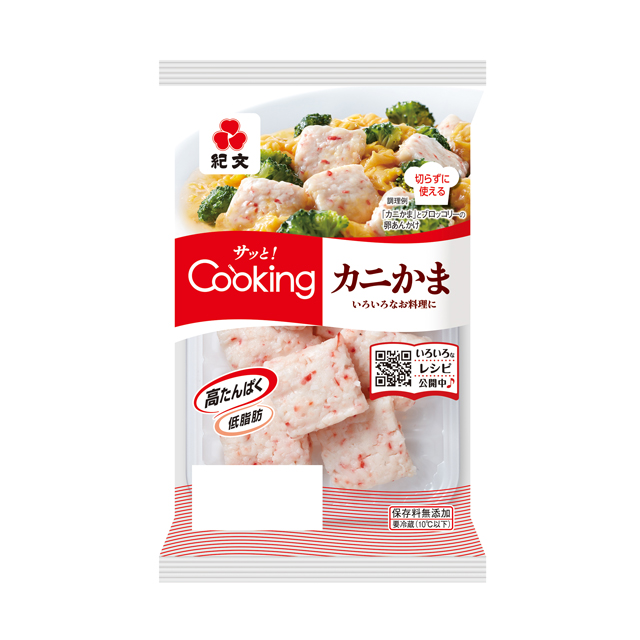
| Imitation crab | カニかま | For example, Kibun’s imitation crab shows えび and かに in its allergens (information as of February 2021). |
| Rice-cracker snacks | 柿の種 など | For example, Kameda says the factory for its kaki no tane (no peanuts) also makes products containing shrimp. |
| Seafood generally | 海産物 | Sushiro notes that some seafood eats or lives with shrimp and crab, or is caught with fishing methods that mix them in. |
Source: Kibun; Kameda Seika; Akindo Sushiro allergen chart (checked on 26 October 2026)
Small dried shrimp (サクラエビ) are a common topping and an ingredient in okonomiyaki and some snacks; the handbook uses サクラエビ as an example of the shrimp allergen.
Is tempura fried in the same oil as shrimp?
Often, yes. Shrimp tempura is one of the most common items, and frying oil is usually shared. For example, the tempura chain Tenya says:
- Kitchen utensils, tableware and frying oil are not kept separate.
- The batter is shared by all ingredients, so shrimp, squid and dusting flour can get into it unintentionally.
Source: Tenya allergen chart, dated 22 October 2026 (checked on 26 October 2026)
The same question applies to any fried food — karaage, tonkatsu, croquettes — wherever the fryer is also used for shrimp or squid.
How do I ask in Japanese?
| You want to say | Japanese |
|---|---|
| I have a shellfish allergy (shrimp, crab and similar). | えび・かになどの甲殻類のアレルギーがあります。 |
| I have a fish allergy. I cannot eat dashi made from bonito flakes either. | 魚のアレルギーがあります。かつお節などのだしも食べられません。 |
| Does this dish contain shrimp or crab, including extracts? | この料理に、えびやかに(エキスも含む)は入っていますか? |
| What is the dashi made from? | だしは何でとっていますか? |
| Is it fried in the same oil as shrimp? | えびと同じ油で揚げていますか? |
| If you are not sure, please tell me. | わからない場合は、そう言ってください。 |
What should I check before eating?
- Packaged food: look for えび and かに in the allergen bracket, and for いか, さけ, さば, いくら and あわび in the full ingredients list.
- Unlisted seafood: for bonito, other fish, octopus or shellfish such as clams, read the ingredients for かつお, 魚介エキス, 魚醤, だし and the seafood’s name.
- Dashi: ask what the stock is made from — it is in many soups and sauces.
- Fried food: ask whether the oil and batter are shared with shrimp or squid.
- Sushi and seafood: remember Sushiro’s note that seafood itself can carry traces of shrimp and crab.
Show staff your Japanese allergy card with shrimp, crab, squid, salmon or mackerel ticked as needed. Bonito is not an allergen on Japanese lists, so if you avoid it, show the dashi phrase above as well.
FAQ
- Is fish a mandatory allergen in Japan?
- No. Only shrimp and crab are mandatory among seafood. Salmon (さけ) and mackerel (さば) are recommended only, and other fish, including bonito (かつお), are not on the lists. Read the full ingredients list.
- Does dashi contain fish?
- Usually. Most Japanese dashi is made with bonito flakes (かつお節) and kelp, and some with mackerel flakes (さば節) or other fish. Because bonito is not an allergen under Japanese rules, a label may not flag it in the allergen bracket.
- Is tempura fried in the same oil as shrimp?
- Often, yes. For example, the tempura chain Tenya says it does not separate frying oil, and that shrimp and squid can get into its shared batter. Ask before ordering.
Read next
Related guides
- How to read Japanese food labels for allergens
- Eating out in Japan with food allergies: what to ask
- Is sushi gluten-free? Soy sauce, imitation crab, tamago and more
- Is tempura gluten-free? Batter, rice flour and shared frying oil
- Egg allergy in Japan: mayonnaise, tamagoyaki, batter and labels
- Peanut and tree nut allergy in Japan: labels, words and snacks
Sources
- Consumer Affairs Agency: Food allergy labelling handbook for businesses (Japanese, PDF)
- Yamanashi Prefecture: Walnut and cashew allergen labelling (Japanese)
- Ninben: Gold Tsuyu for tempura (Japanese)
- Kibun: Satto! Cooking imitation crab (Japanese)
- Tenya: Allergen chart (Japanese, PDF)
- Akindo Sushiro: Allergen chart (Japanese, PDF)
- Kameda Seika: Kameda no Kaki no Tane, no peanuts (Japanese)
Spotted a mistake? Report it · How we fix mistakes
Update history
- Published.