Is sushi gluten-free? Soy sauce, imitation crab, tamago and more
Key points
- Sushi itself is fish and vinegared rice, but the soy sauce served with it usually contains wheat. Ask for wheat-free soy sauce or bring your own.
- Imitation crab (kanikama) can contain wheat. For example, a Kibun kanikama product lists wheat in its allergen bracket.
- Eel sauce (tare or tsume) is built on soy sauce. Tempura rolls and tempura nigiri use a batter made mainly of wheat flour.
- Tamago (sweet omelette) recipes vary. One packaged tamagoyaki lists no wheat but is made on equipment that also handles wheat.
- Sushi vinegar is usually rice vinegar, sugar and salt, but recipes vary. Ask the shop, and read labels on packaged sushi.
Sushi is not automatically gluten-free. Raw fish and rice do not contain wheat, but much of what goes with them can: the soy sauce on the table, the sweet eel sauce, imitation crab and anything in tempura batter. The plainest choice is fish on rice, with no soy sauce or with a wheat-free soy sauce you have checked. Ask the shop about everything else, because recipes differ between kitchens.
Which parts of sushi can contain wheat?
| Part | Japanese | Why it may contain wheat or barley |
|---|---|---|
| Soy sauce | 醤油 | Most Japanese soy sauce is brewed with wheat. See Is Japanese soy sauce gluten-free? |
| Imitation crab | かに風味かまぼこ・カニカマ | For example, Kibun’s kanikama lists wheat in its allergen bracket |
| Eel sauce (tare, tsume) | うなぎのタレ・ツメ | A sweet sauce built on soy sauce. Daisho’s eel sauce lists soy sauce first |
| Tempura rolls and tempura nigiri | 天ぷら巻き・天ぷらにぎり | Tempura flour is mainly soft wheat flour |
| Tamago (sweet omelette) | 玉子・玉子焼き | Recipes vary. Kibun’s packaged tamagoyaki lists no wheat, but is made on equipment that also handles wheat |
| Sushi vinegar | すし酢 | Mizkan’s sushi vinegar lists rice vinegar, sugar and salt, with no wheat ingredient. Shop recipes vary |
| Pickled ginger | ガリ | Ginger pickled in sweet vinegar. Seasonings vary by maker, so check the label or ask |

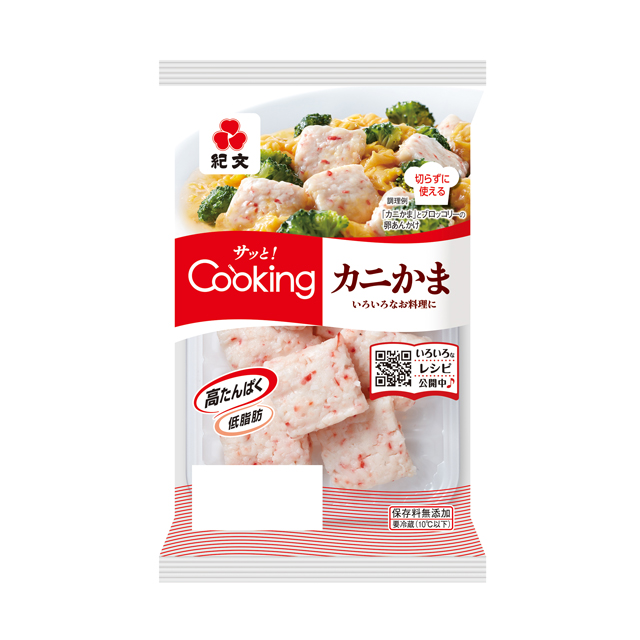

Source: Kibun Foods product pages; Daisho, unagi kabayaki sauce; Mizkan, sushi-zu; Showa Sangyo, what is tempura flour? (checked on 26 October 2026)
Kibun’s kanikama ingredients end with (一部に卵・小麦・えび・かに・大豆を含む) — “contains egg, wheat, shrimp, crab and soy in part”. Kanikama is common in California rolls, salad gunkan (サラダ軍艦) and hand rolls, so ask about it even when it is not in the dish name.
Is the soy sauce at a sushi restaurant gluten-free?
Usually not. Unless the shop tells you it has a soy sauce made without wheat (小麦不使用), assume the bottle on the counter contains wheat. Many sushi chefs also brush soy sauce or nikiri (a soy-based glaze) onto the fish before serving, so asking for “no soy sauce” on the side is not enough — ask that nothing is brushed on.
Is eel sauce (tsume) gluten-free?
Usually not. Eel sauce is a sweet, thick sauce made from soy sauce and sugar. For example, Daisho’s eel sauce (うなぎ蒲焼のたれ) lists しょうゆ (soy sauce) as its first ingredient. Restaurants may also use the same sauce on anago (conger eel), simmered clams or squid. Ask for those pieces without sauce, or skip them.
Does tamago or sushi rice contain wheat?
It depends on the recipe.
- Tamago: one packaged tamagoyaki we checked (Kibun’s 切れてる厚焼玉子) lists egg, sugar, mirin, dashi and vinegar, with no wheat ingredient. Its page notes it is made on equipment that also uses milk and wheat (乳・小麦を使用した設備で製造). Restaurants often make their own, and recipes vary, so ask.
- Sushi vinegar: Mizkan’s すし酢 lists 米酢 (rice vinegar), high-fructose syrup, salt, sugar and seasoning, with no wheat ingredient. A shop may mix its own vinegar with other seasonings, so ask.
Source: Kibun Foods, 切れてる厚焼玉子; Mizkan, すし酢 (checked on 26 October 2026)
What about conveyor-belt sushi chains?
Large chains often publish allergen charts. Sushiro’s chart, for example, covers the 28 allergens under Japanese rules, and notes that allergens not listed may get mixed in unintentionally during cooking and plating in the store. A chart tells you about ingredients, not about shared knives, boards or fryers. Barley is not one of the 28, so a chart will not show it.

What should I check before ordering?
- Soy sauce: ask for a wheat-free soy sauce, or eat without it.
- Brushed sauces: ask that nothing is brushed on the fish (no nikiri, no tsume).
- Rolls and gunkan: ask whether there is kanikama, tempura or mayonnaise-based fillings inside.
- Tamago: ask whether it contains soy sauce or wheat.
- Rice: ask what goes into the sushi vinegar.
What can I say at a sushi counter?
| You want to say | Japanese |
|---|---|
| I can’t eat wheat, including in soy sauce. | 小麦が食べられません。醤油に入っている小麦もだめです。 |
| No soy sauce, please. | 醤油なしでお願いします。 |
| Please don’t brush any sauce or soy sauce on the fish. | ネタにタレや醤油を塗らないでください。 |
| Does this roll contain imitation crab or tempura? | この巻物にカニカマや天ぷらは入っていますか? |
| Does the tamago contain soy sauce or wheat? | 玉子焼きに醤油や小麦は入っていますか? |
| What is in the sushi vinegar? | すし酢には何が入っていますか? |
For a fuller explanation of your needs, make a Japanese allergy card and show it to the chef.
FAQ
- Is sushi gluten-free?
- Not automatically. Raw fish and rice do not contain wheat, but soy sauce, eel sauce, imitation crab and tempura often do. Choose plain fish, skip the soy sauce or ask for a wheat-free one, and ask about the rice seasoning.
- Does imitation crab (kanikama) contain gluten?
- It can. For example, Kibun's 'Satto! Cooking Kanikama' lists wheat in its ingredients bracket (一部に卵・小麦・えび・かに・大豆を含む). Check the label of each product, and assume kanikama in a roll may contain wheat unless the shop tells you otherwise.
- Is the brown sauce on eel sushi gluten-free?
- Usually not. Eel sauce is a sweet soy-based sauce. For example, Daisho's eel sauce lists soy sauce (しょうゆ) as its first ingredient, and most Japanese soy sauce is brewed with wheat.
- How do I ask for sushi without soy sauce in Japanese?
- Say or show: 醤油なしでお願いします。 (No soy sauce, please.) If the chef brushes sauce on the fish, add: ネタにタレや醤油を塗らないでください。
Read next
Related guides
Chain allergen charts — Sushi
Products
- Wheat-free whole-soybean soy sauce — Ichibiki (イチビキ)
- Soy-sauce-style seasoning made from peas, without soybeans or wheat — Kikkoman (キッコーマン)
Gluten-free restaurants by city
Sources
- Kibun Foods: Satto! Cooking Kanikama, ingredients (Japanese)
- Kibun Foods: Kireteru Atsuyaki Tamago, ingredients (Japanese)
- Daisho: Unagi kabayaki sauce 105 g, ingredients (Japanese)
- Mizkan: Sushi-zu (sushi vinegar), ingredients (Japanese)
- Showa Sangyo: What is tempura flour? (Japanese)
- Akindo Sushiro: Allergen information, updated 7 October 2026 (Japanese, PDF)
Spotted a mistake? Report it · How we fix mistakes
Update history
- Published.