Egg allergy in Japan: mayonnaise, tamagoyaki, batter and labels
Key points
- Egg (卵) is one of Japan's 9 mandatory allergens on packaged food. It can also be written 玉子, たまご, タマゴ or エッグ.
- The egg allergen covers bird eggs such as hen, duck and quail egg. Fish roe is not covered by 卵 — salmon roe (いくら) is a separate, recommended-only item.
- Japanese mayonnaise is made with egg yolk. For example, Kewpie mayonnaise lists 卵黄 and shows egg in its allergens.
- Egg can hide in tempura batter mixes, imitation crab and even rice crackers. For example, Kibun's imitation crab lists egg white, and Kameda's kaki no tane lists egg.
- Restaurant dishes are not covered by allergen labelling, so ask about batter, sauces, noodles and garnishes.
Egg (卵) is one of the 9 allergens that must be shown on packaged food in Japan, and it can also be written 玉子, たまご or エッグ. Beyond the obvious dishes such as tamagoyaki (rolled omelette), egg is common in mayonnaise, tempura batter and some fish cakes and snacks. Fish roe is not part of the egg allergen. Restaurant dishes are not covered by allergen labelling, so ask about batter, sauces and garnishes.
How is egg shown on a Japanese label?
The government handbook gives these as accepted ways to show egg:
| Type | On the label | Meaning |
|---|---|---|
| Other spellings | 玉子, たまご, タマゴ, エッグ | Egg |
| Foods named with it | 鶏卵 | Hen’s egg |
| あひる卵 | Duck egg | |
| うずら卵 | Quail egg | |
| 厚焼玉子 | Thick rolled omelette | |
| ハムエッグ | Ham and eggs |
Source: Consumer Affairs Agency, allergy labelling handbook (checked on 26 October 2026)
In ingredients lists you will also see 卵黄 (egg yolk), 卵白 (egg white) and 全卵 (whole egg).
Does the egg allergen include fish roe?
No. The handbook says the eggs of other animals — fish roe, reptile eggs and insect eggs — are outside the scope of the egg allergen.
Source: Consumer Affairs Agency, allergy labelling handbook (checked on 26 October 2026)
Salmon roe (いくら, also すじこ) is a separate item that makers are only recommended to show. Other roe, such as cod roe (たらこ) and flying fish roe (とびこ), is not on either list. If you react to fish roe, read the full ingredients list and ask. See Shellfish and fish allergy in Japan.
Where does egg hide in Japanese food?
| Food | In Japanese | Why it may contain egg |
|---|---|---|
| Mayonnaise | マヨネーズ | For example, Kewpie mayonnaise lists 卵黄 (egg yolk) and shows 卵 in its allergens. |
| Tempura batter | 天ぷらの衣 | Showa Sangyo describes the batter as wheat flour mixed with water and egg, and tempura flour mixes can contain egg powder (卵粉). |
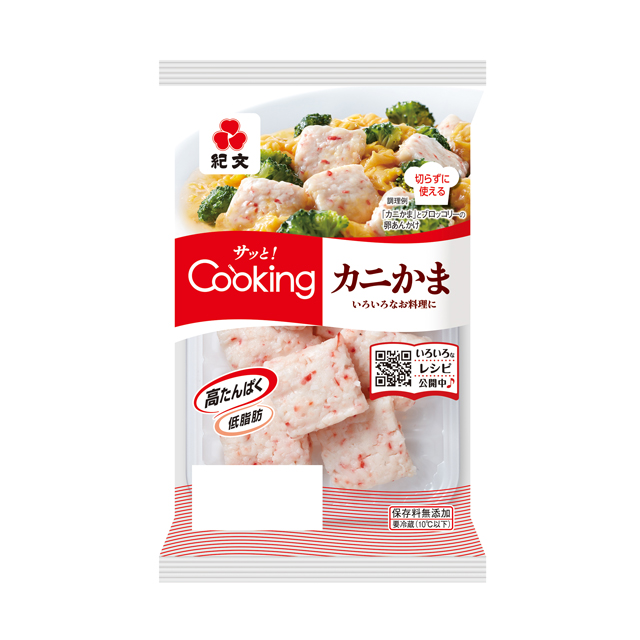
| Imitation crab | カニかま | For example, Kibun’s imitation crab lists 卵白 (egg white) and shows 卵 in its allergens. |
| Rice crackers | 柿の種 | For example, Kameda’s kaki no tane (no peanuts) shows 卵 in its allergens. |
| Rolled omelette | 卵焼き・玉子 | Made from egg; served as sushi (玉子) and in bento. |
| Egg noodles | 卵めん | Named for the egg in the dough. Other noodles vary — ask. |
Source: Kewpie; Showa Sangyo; Kibun; Kameda Seika (checked on 26 October 2026)
The Kibun page gives its information as of February 2021, and all makers say the pack in your hand takes priority. The last two rows are general cooking knowledge.
Egg is also often used as a glaze, in breadcrumb coatings (with flour and egg), as a raw-egg dip for sukiyaki, and as a topping on rice bowls and ramen.
Is tempura batter shared?
At tempura restaurants, the same batter and oil are often used for everything. For example, the tempura chain Tenya says its batter is shared by all ingredients, and that kitchen utensils, tableware and frying oil are not kept separate.
Source: Tenya allergen chart, dated 22 October 2026 (checked on 26 October 2026)
How do I ask in Japanese?
| You want to say | Japanese |
|---|---|
| I have an egg allergy. | 卵のアレルギーがあります。 |
| I cannot eat egg, including quail egg and mayonnaise. | 卵が食べられません。うずらの卵やマヨネーズもだめです。 |
| Does this dish contain egg? | この料理に卵は入っていますか? |
| Including the batter, noodles and sauce? | 衣や麺、ソースにも卵は入っていませんか? |
| Can you make it without egg and mayonnaise? | 卵とマヨネーズを抜いて作れますか? |
| If you are not sure, please tell me. | わからない場合は、そう言ってください。 |
What should I check before eating?
- Packaged food: look for 卵 in the allergen bracket, and 卵黄, 卵白, 全卵 or 卵粉 in the ingredients list.
- Sauces: ask about mayonnaise in sandwiches, salads, okonomiyaki and sushi rolls.
- Fried food: ask about the batter or coating, and whether it is shared.
- Fish cakes and snacks: read the label — egg white is used in some.
- Toppings: ask about egg on rice bowls, ramen and sukiyaki.
Show staff your Japanese allergy card with egg ticked.
FAQ
- Is egg a mandatory allergen in Japan?
- Yes. Egg (卵) must be shown on packaged food. The handbook also accepts 玉子, たまご, タマゴ and エッグ, and names such as 鶏卵, うずら卵 and 厚焼玉子.
- Does Japanese mayonnaise contain egg?
- Usually, yes. For example, Kewpie mayonnaise lists 卵黄 (egg yolk) and shows 卵 in its allergens. Mayonnaise is used in many sandwiches, salads, okonomiyaki and sushi rolls.
- Is tempura batter made with egg?
- Often. Showa Sangyo, a tempura flour maker, describes tempura batter as wheat flour mixed with water and egg, and lists egg powder as an ingredient used in tempura flour mixes. Ask the restaurant.
Read next
Related guides
Sources
- Consumer Affairs Agency: Food allergy labelling handbook for businesses (Japanese, PDF)
- Kewpie: Kewpie Mayonnaise (Japanese)
- Showa Sangyo: About tempura and tempura flour (Japanese)
- Kibun: Satto! Cooking imitation crab (Japanese)
- Kameda Seika: Kameda no Kaki no Tane, no peanuts (Japanese)
- Tenya: Allergen chart (Japanese, PDF)
Spotted a mistake? Report it · How we fix mistakes
Update history
- Published.